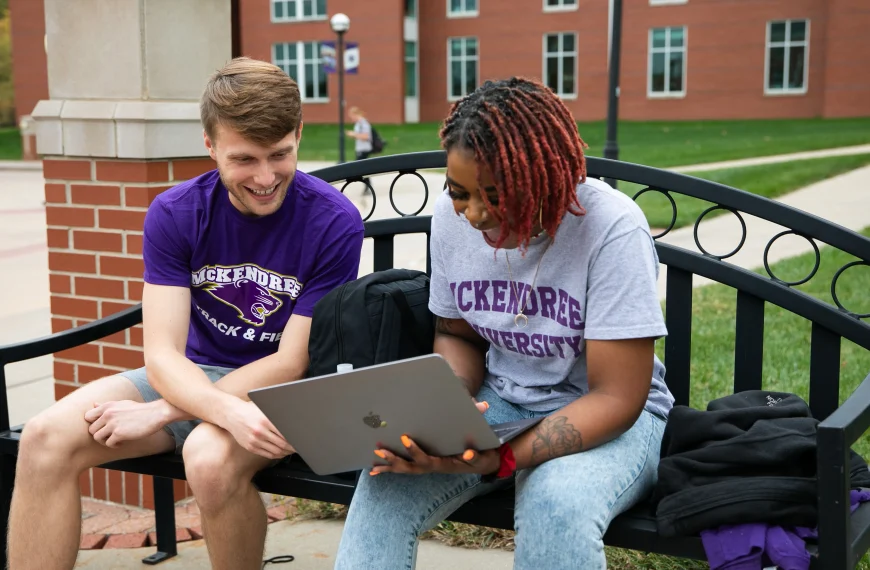
Education is more than just acquiring knowledge; it is the foundation for unlocking your full potential and transforming every aspect of life. Quality education empowers individuals to develop critical thinking, creativity, and practical skills necessary for success in an ever-evolving global landscape. In today’s fast-paced world, investing in education is the key to opening doors to new opportunities, achieving personal growth, and making a meaningful impact in society.
Quality education equips learners with the tools to adapt to changing environments, embrace innovation, and build confidence in their abilities. It fosters not only academic excellence but also nurtures emotional intelligence, social skills, and ethical values that shape responsible and capable individuals. When education is accessible, inclusive, and tailored to diverse learning needs, it acts as a catalyst for personal and professional development, enabling everyone to realize their dreams.
Also Read: Best Domain Regulations & Policy Changes-1
How Education Builds a Strong Foundation for Success
A well-rounded education goes beyond memorizing facts; it lays the groundwork for lifelong learning and resilience. Through quality educational experiences, individuals cultivate essential skills such as problem-solving, communication, leadership, and collaboration. These competencies are vital in navigating the complexities of modern careers and personal endeavors.
By engaging with diverse subjects and challenges, learners expand their intellectual horizons, allowing them to think critically and make informed decisions. Education encourages curiosity and innovation, prompting individuals to explore new ideas and perspectives. This comprehensive skill set fosters adaptability and prepares learners to meet future challenges head-on, making them valuable contributors in any field.
Moreover, education offers opportunities for networking and mentorship, connecting learners with professionals and communities that support growth. These relationships enhance learning outcomes and provide guidance essential for career advancement and personal fulfillment. Ultimately, quality education creates a ripple effect, benefiting not only the individual but also their families, communities, and society at large.
Practical Strategies to Maximize Your Educational Journey
To fully unlock your potential through education, adopting effective strategies is crucial. First, setting clear, achievable goals provides direction and motivation. Define what success looks like for you—whether mastering a skill, earning a degree, or enhancing knowledge in a specific area—and create a roadmap to reach these milestones.
Next, actively engage in your learning process. This means participating in discussions, seeking feedback, and applying theoretical knowledge through real-world experiences like internships, projects, or volunteering. Hands-on involvement deepens understanding and reinforces skills, making learning more meaningful and memorable.
Additionally, embrace technology as a powerful educational tool. Online courses, educational apps, and digital libraries offer flexible access to a wealth of resources that cater to various learning styles. Leveraging these platforms allows for personalized learning at your own pace, broadening your scope beyond traditional classroom settings.
Maintaining a growth mindset is equally important. View challenges as opportunities to learn rather than obstacles, and remain persistent even when progress seems slow. This attitude nurtures resilience and encourages continuous improvement, which are essential for long-term success.
Finally, balance your education with wellness. Prioritize mental and physical health through regular exercise, proper nutrition, and sufficient rest. A healthy body and mind enhance concentration, creativity, and overall performance, making your educational experience more productive.
The Role of Lifelong Learning in Personal and Career Growth
In a world where industries and technologies evolve rapidly, education does not end with formal schooling. Lifelong learning—the continuous pursuit of knowledge and skills—has become indispensable for staying relevant and competitive. This commitment to ongoing education enables individuals to adapt to new roles, acquire emerging skills, and innovate within their fields.
Professional development courses, certifications, workshops, and seminars are effective ways to stay updated and deepen expertise. Embracing lifelong learning also fosters intellectual curiosity and keeps the mind agile, promoting both personal satisfaction and career advancement.
Moreover, lifelong learning contributes to emotional wellbeing by encouraging engagement and a sense of purpose. It enables individuals to explore passions, cultivate new hobbies, and connect with communities, enriching their lives beyond the workplace.
Organizations increasingly value employees who demonstrate a commitment to continuous learning, recognizing them as proactive and forward-thinking. Thus, cultivating a habit of lifelong education is not only beneficial but necessary for sustained success and fulfillment.
Education as a Catalyst for Social and Economic Empowerment
Beyond individual benefits, quality education serves as a powerful agent for social change and economic development. It promotes equality by bridging gaps caused by socio-economic disparities, enabling marginalized communities to access opportunities previously out of reach.
Educated populations tend to have better health outcomes, higher employment rates, and greater civic participation. Education fosters critical awareness of societal issues and encourages responsible citizenship, contributing to more stable and prosperous communities.
Economic empowerment through education is evident as skilled individuals drive innovation, entrepreneurship, and productivity. Nations investing in education often experience accelerated growth and improved standards of living. Furthermore, education equips individuals to navigate global markets and contribute to sustainable development goals.
By advocating for and investing in quality education, societies can dismantle cycles of poverty and discrimination, building inclusive environments where everyone has the chance to thrive.
Overcoming Barriers to Accessing Quality Education
While the advantages of quality education are clear, many face challenges in accessing it. Financial constraints, geographical isolation, and inadequate infrastructure often prevent learners from reaching their full potential. Addressing these barriers requires concerted efforts from governments, institutions, and communities.
Scholarships, grants, and affordable education models help alleviate financial burdens. Expanding digital infrastructure and promoting online education can overcome geographical limitations, reaching learners in remote or underserved areas.
Inclusive policies ensuring education is accessible regardless of gender, ethnicity, disability, or socio-economic status are critical. Providing support services such as counseling, mentorship, and learning accommodations fosters an environment where all learners can succeed.
Collaboration among stakeholders to invest in teacher training, curriculum development, and school facilities further enhances education quality. By breaking down these barriers, we create a more equitable educational landscape that truly unlocks potential for everyone.
Measuring the Impact of Education on Life Outcomes
Numerous studies demonstrate the profound impact of quality education on life outcomes. Individuals with higher education levels generally experience increased earning potential, job security, and career advancement. Education also correlates with improved health, longer life expectancy, and greater life satisfaction.
Moreover, education promotes social mobility by enabling individuals to transcend socio-economic backgrounds. It builds self-esteem and empowers people to make informed choices about their lives and communities.
Measuring educational success extends beyond academic performance to include skills acquisition, critical thinking, and personal development. Effective assessment methods and feedback loops ensure education remains relevant and impactful.
Tracking long-term outcomes helps policymakers and educators refine programs, ensuring continuous improvement and alignment with societal needs. Ultimately, the measurable benefits of quality education affirm its vital role in unlocking potential.
Conclusion
In conclusion, quality education is the cornerstone of personal empowerment, professional success, and societal progress. It equips learners with the knowledge, skills, and mindset needed to navigate a complex world and seize opportunities. By adopting purposeful learning strategies, committing to lifelong education, and overcoming barriers, anyone can unlock their full potential and lead a fulfilling, impactful life.